
How to Use This Guide
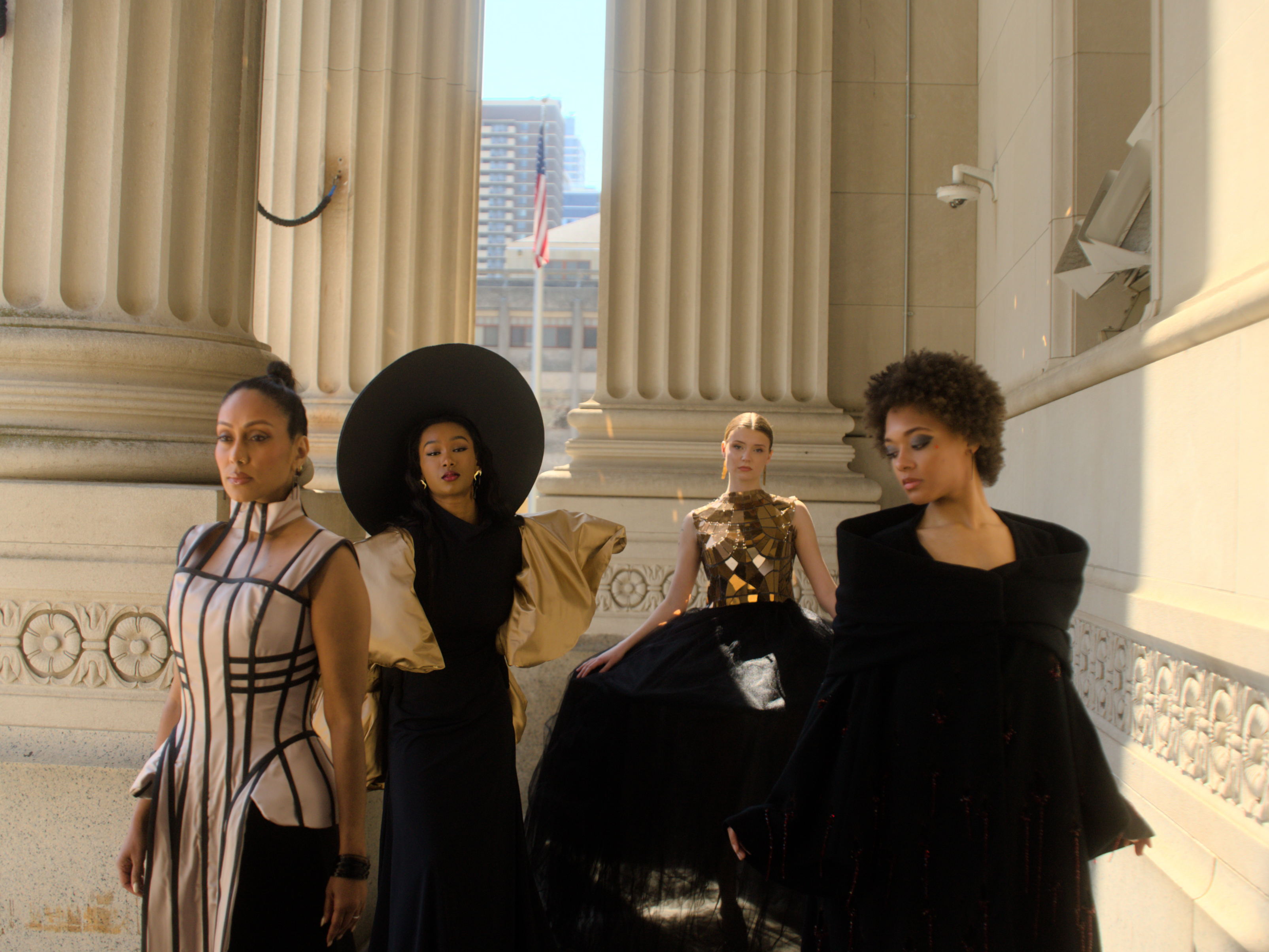
Tap each collection to see notes, inspirations, and materials for the looks they’re seeing on the runway.


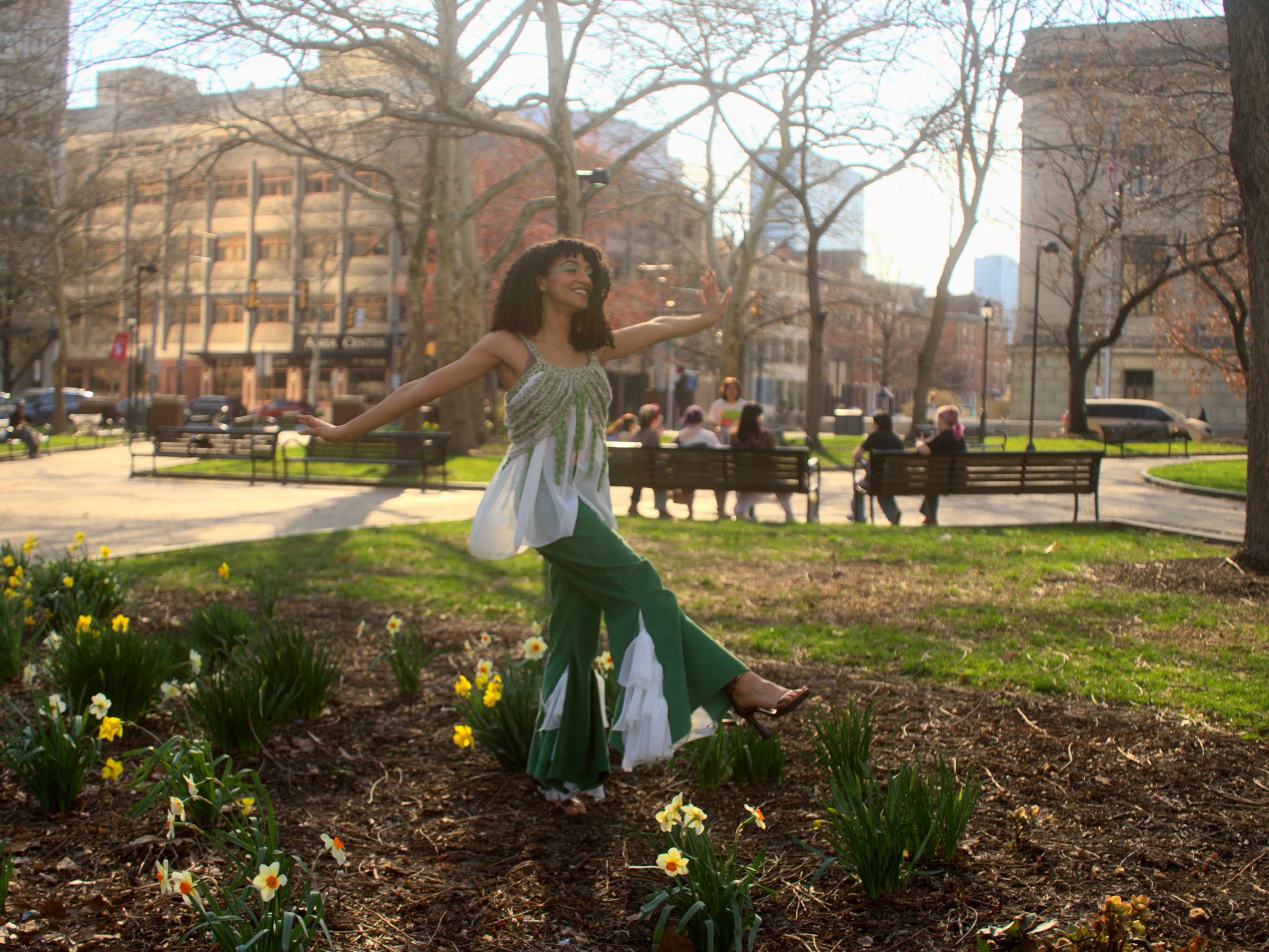
Linger
Greta Hartman
Collections
Tap a collection to explore looks, inspirations, and materials.

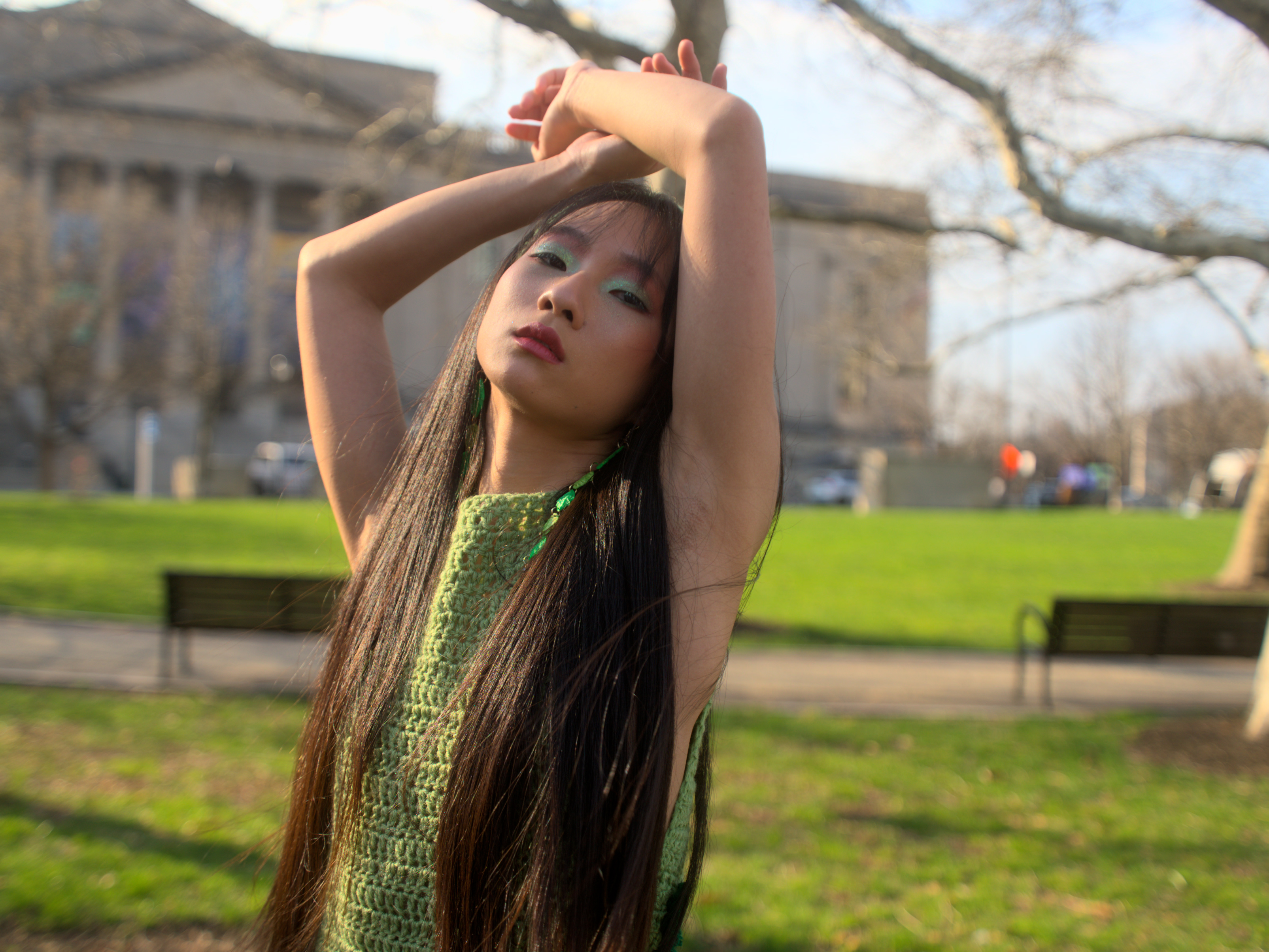
Overgrowth
Willow Gehman

Fairies Wear Boots
Krysta Peters

Lissa Fee Amal
Ensaam Farraj

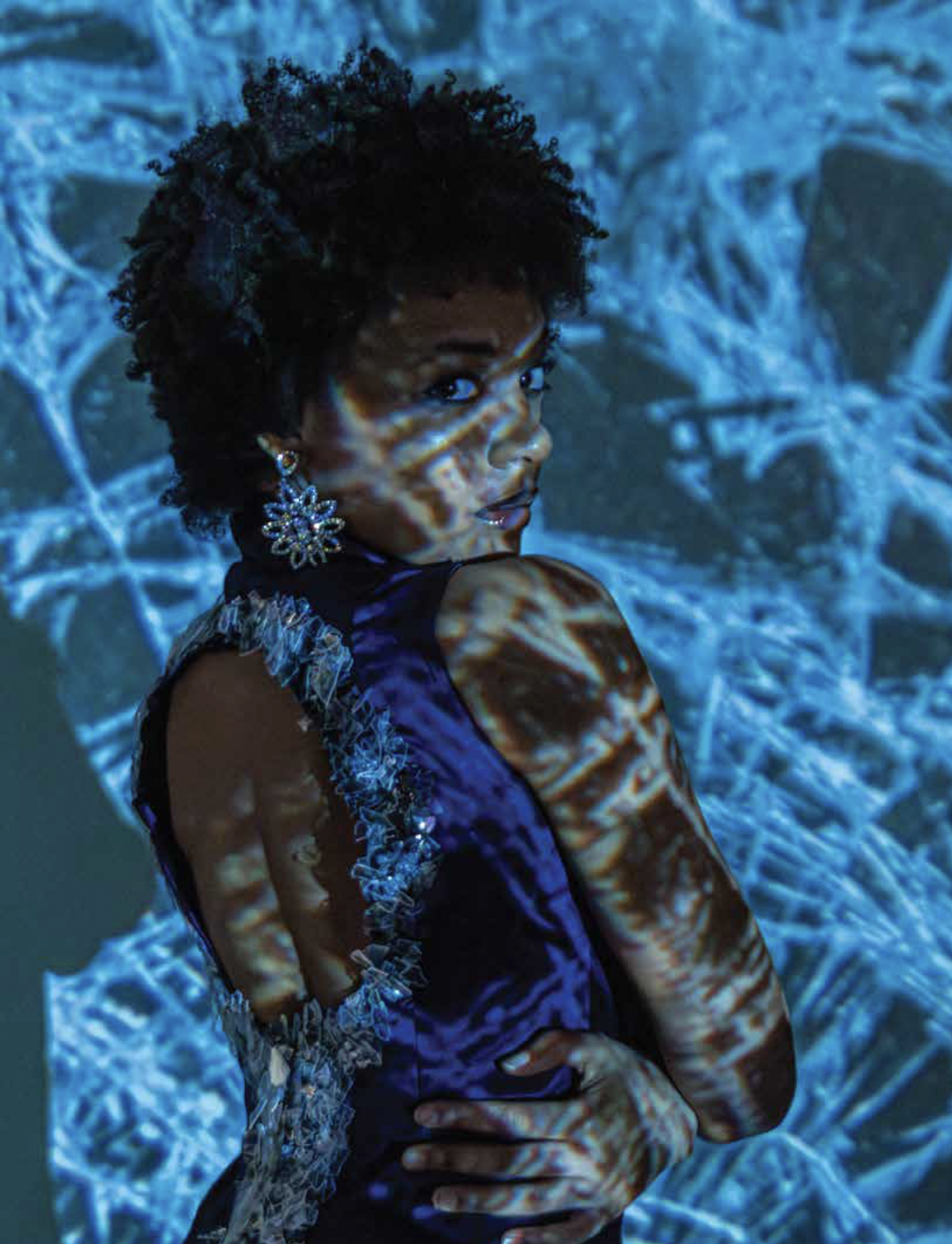
Transfiguration
Lonnette Wiley

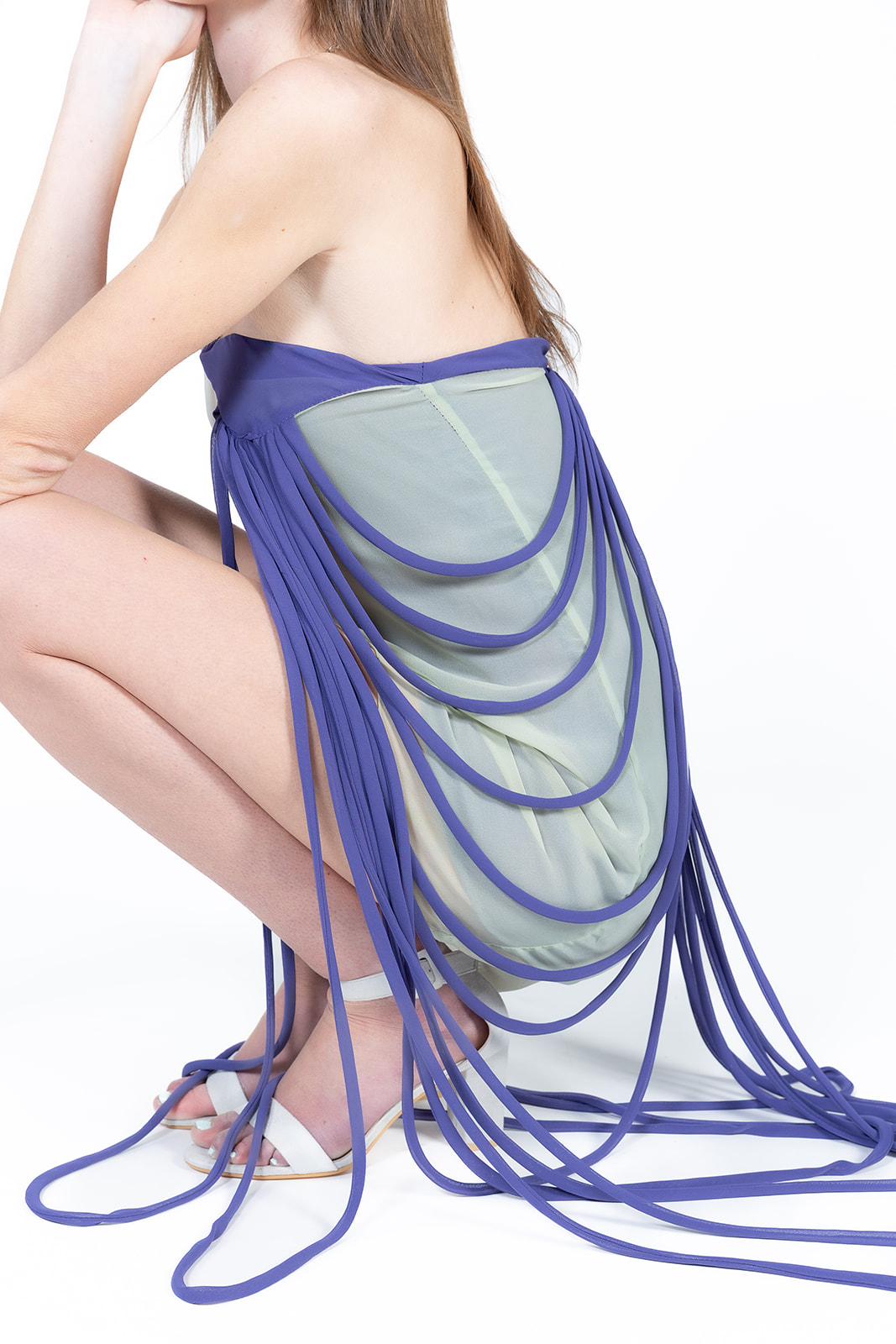
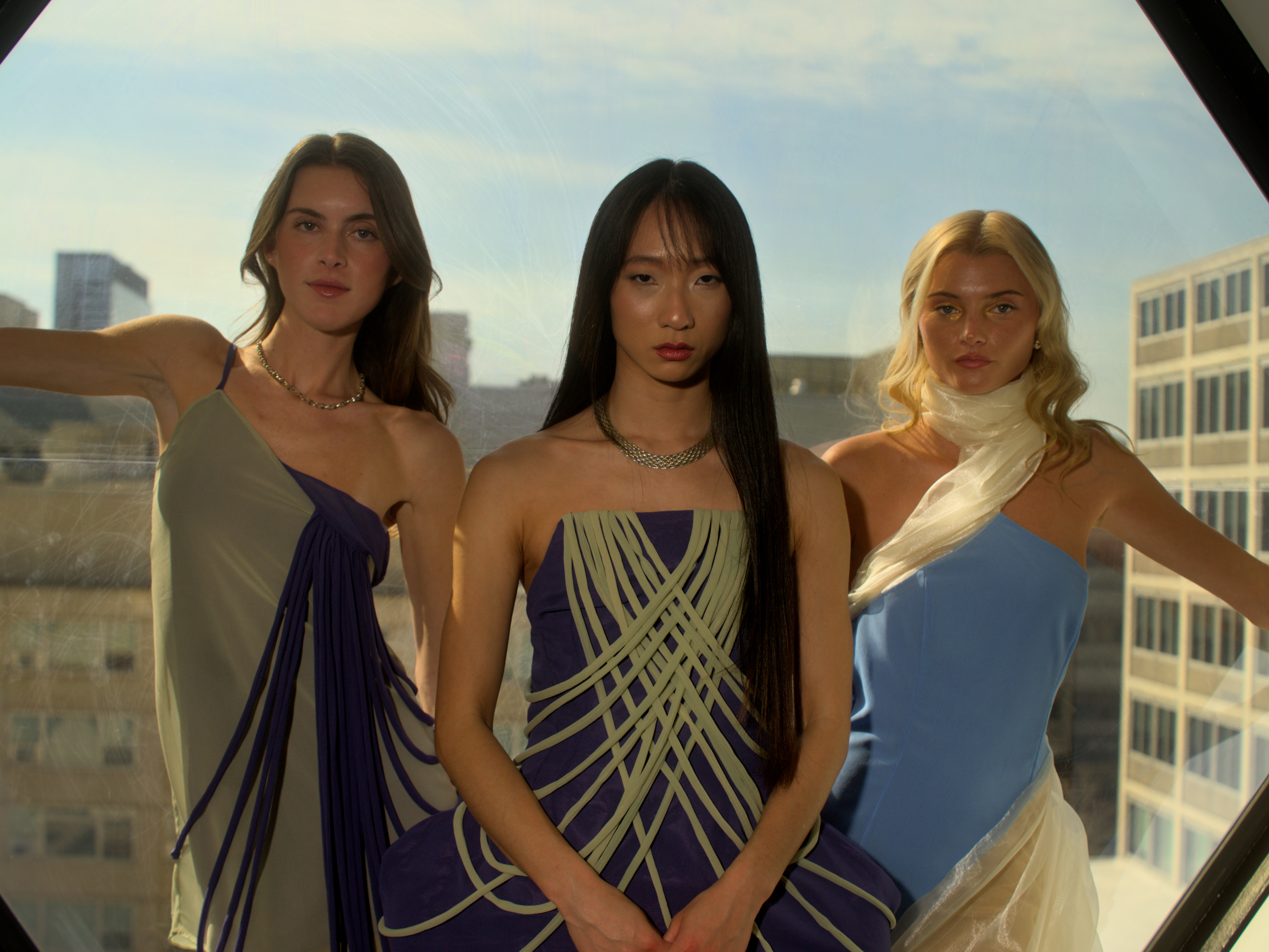
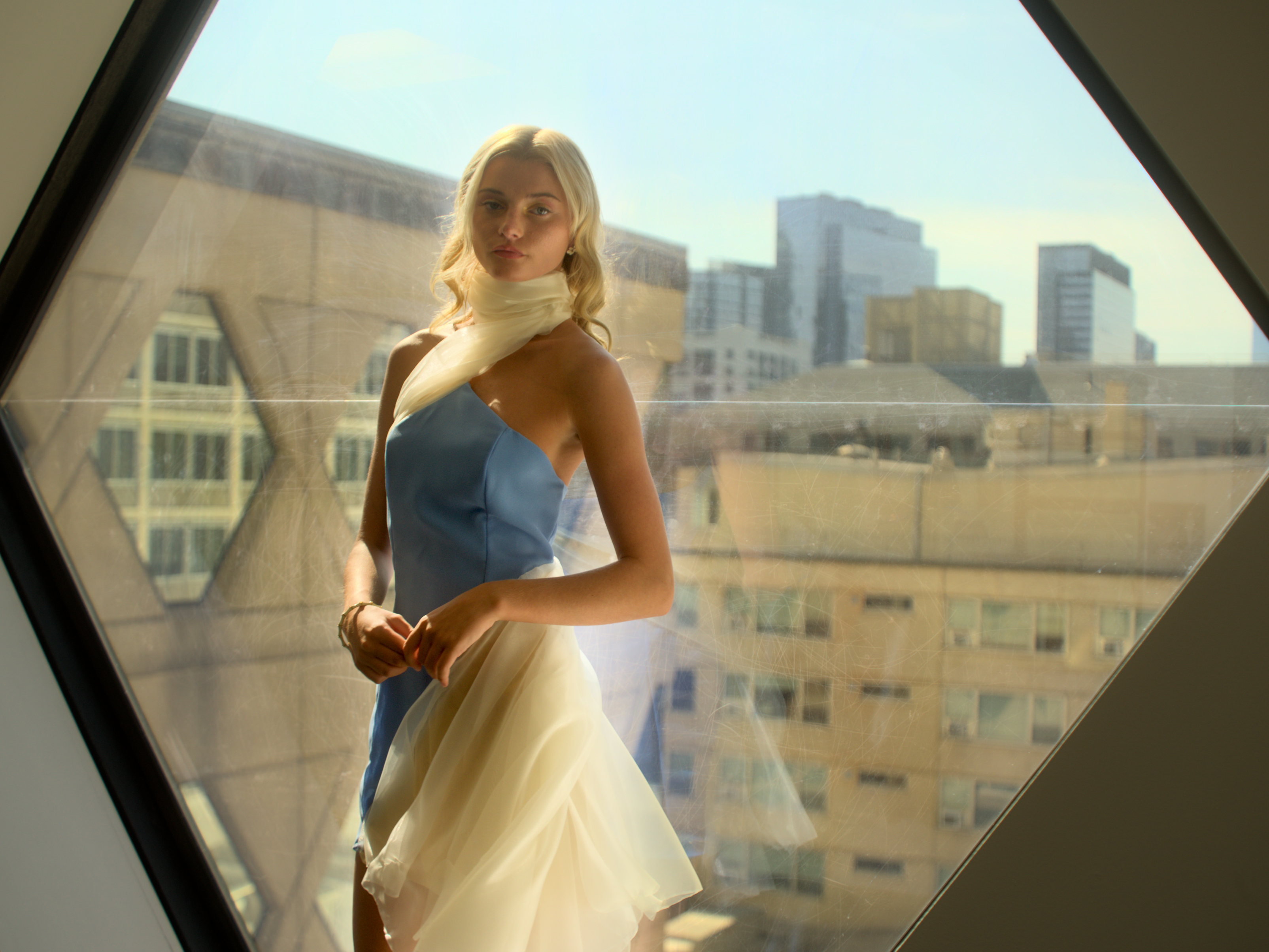
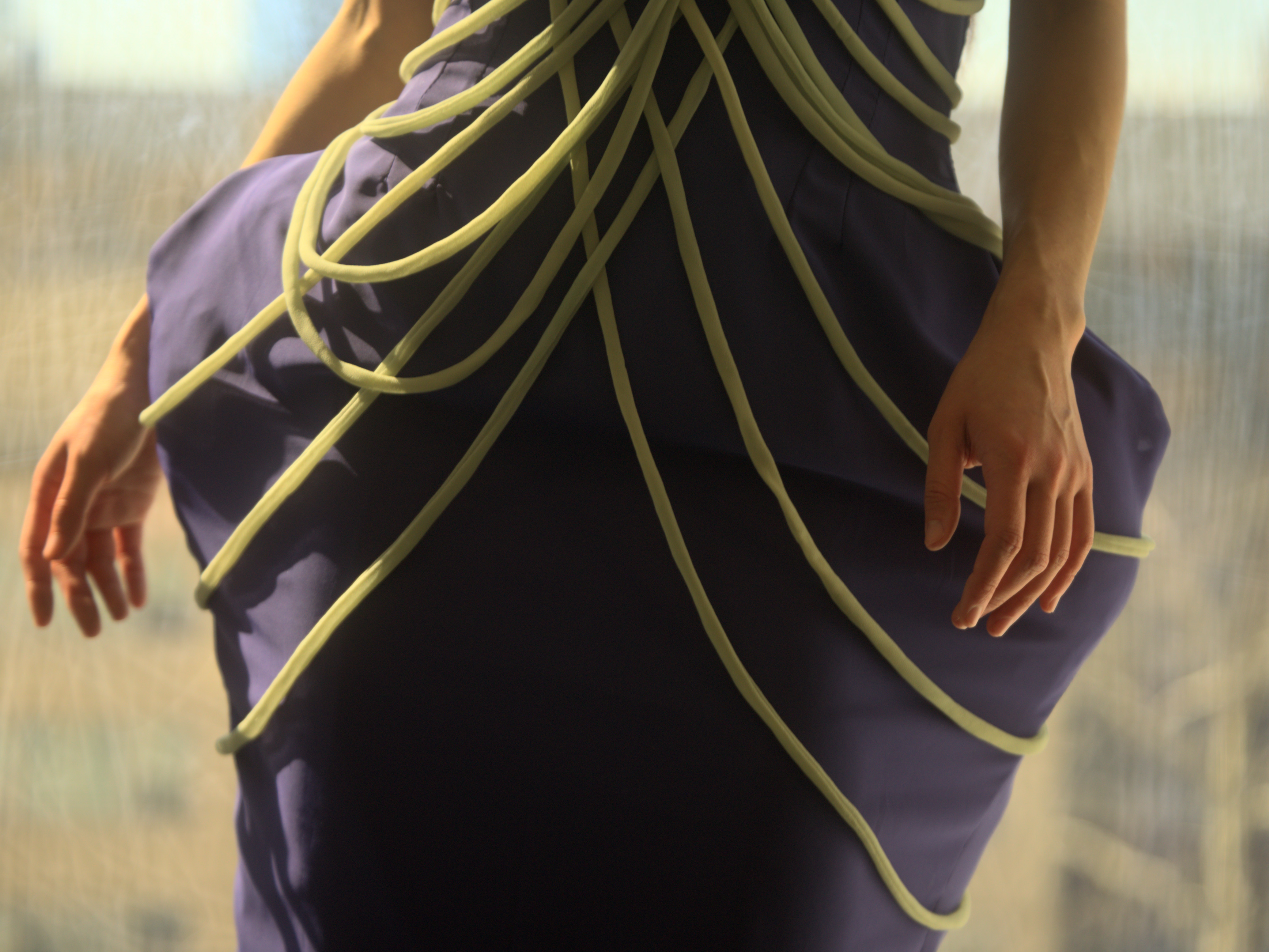
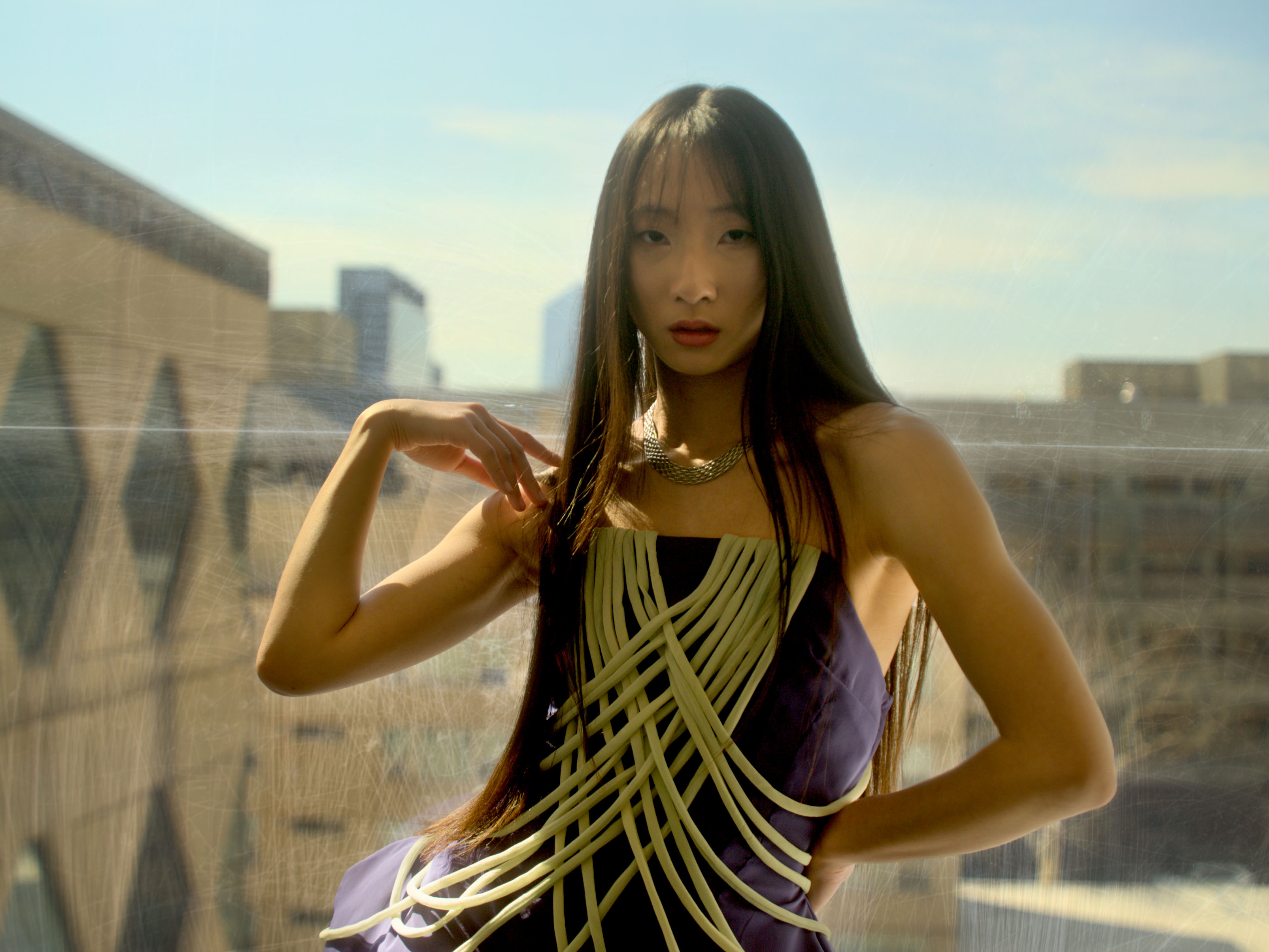
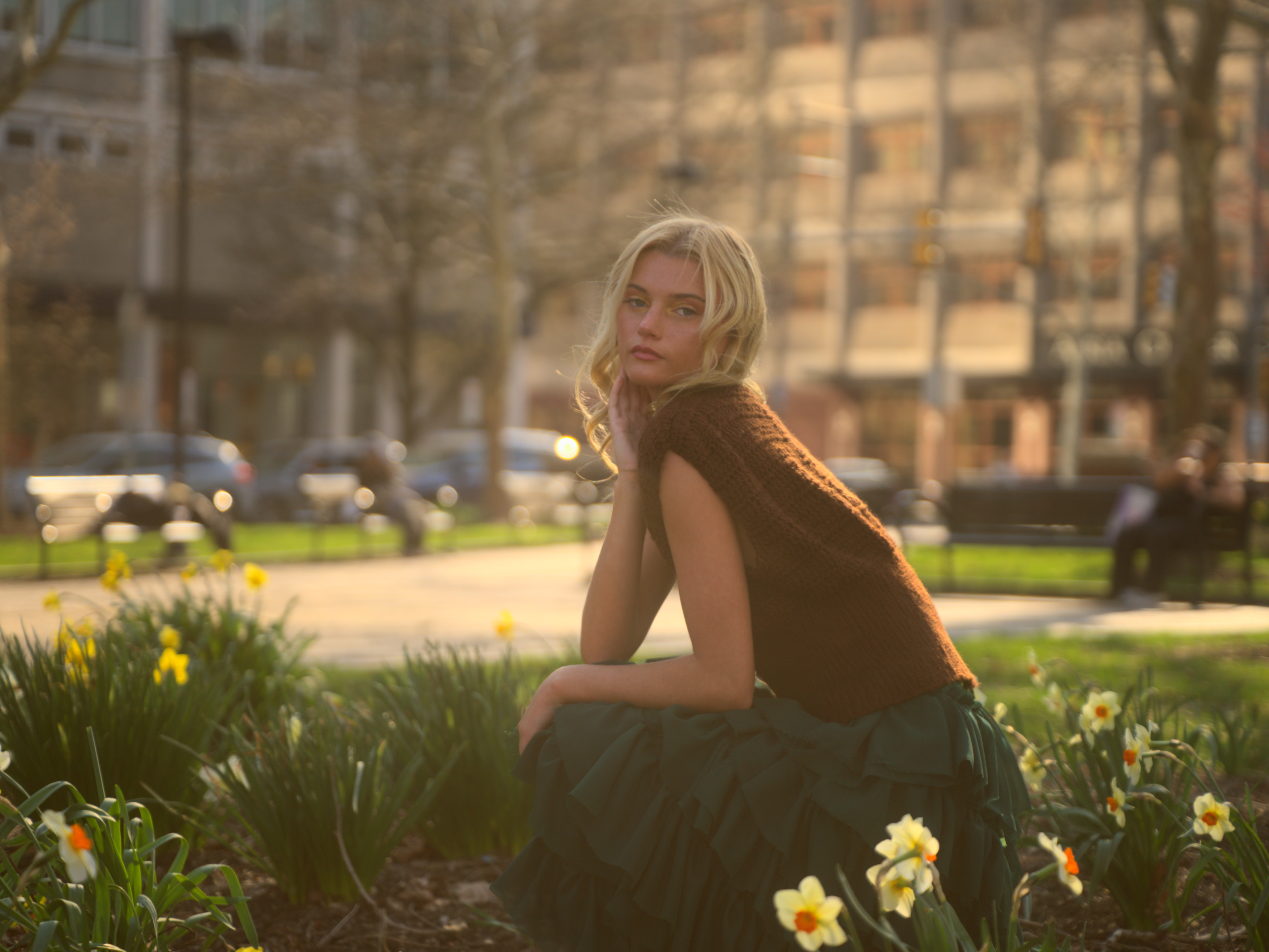
As a woman it is a common occurrence that I am perceived firstly as a body and secondly as a person. This objectification, specifically through the male gaze, is seen reflected in the portrayal of women in reality, films, art pieces, and media. The process of objectifying has become so normalized in our western society that it is difficult to find a woman who has not been faced with judgment and the sexualization of her body. The initiative of this collection is to portray the feelings of the woman through this process and the immense vulnerability needed to be present as a female body in today’s society. I draw from my own personal experience and the words of other women to depict the isolating alienation of our own human bodies that results from the gazes, comments, and attitudes from male and authoritative personas. I wish to tell these stories in a collective, not as ugly retaliations, but as vulnerable and open pieces that create a dialogue around women in this issue. Utilizing bodily emphasis in color scheme and structure I hope to create a strong connection between clothing and the body, an abstracted version of a gaze upon bare skin. In doing so the clothing in this collection will stand to create transparency for any woman who has been seen only for her body.
Look 1 (Tangle)
Bias cut dress with cascading straps meant to capture the motion a strap falling off of a shoulder and the accidental act becoming sexualized.
Look 2 (Mature)
Asymmetrical dress with appliqué of organically laid organza to represent the natural wrapping and smothering feeling of womanhood.
Look 3 (Cover)
High-low poncho with scalloped yoke and mock neck, designed to conceal the arms and draw more attention to the leg.
Look 4 (Embrace)
Halter top boned bodice and stuffed leg wrap details that emphasize curves and parallel grasping a leg.
Look 5 (Capture)
Padded hip dress exaggerates the female figure and is closely encased in overlapping straps to present restriction.
Look 6 (Fixate)
High low dress with rib sculpture on bodice that accentuates bone structure and obsession of thinness.
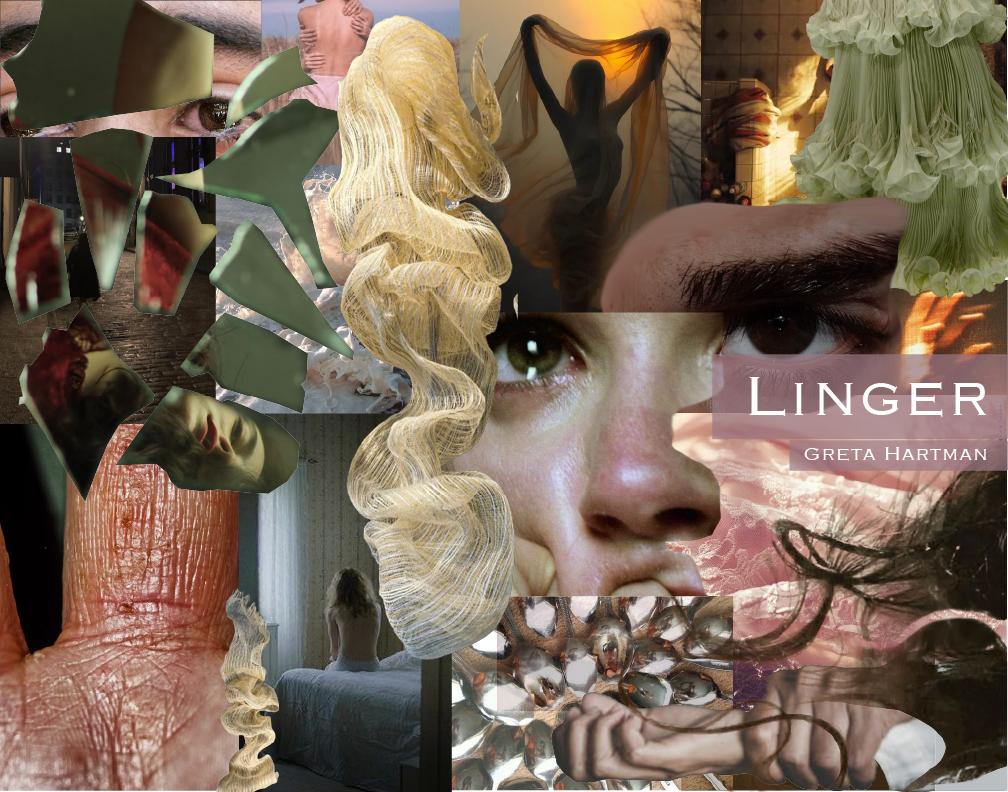
Greta Hartman
Linger





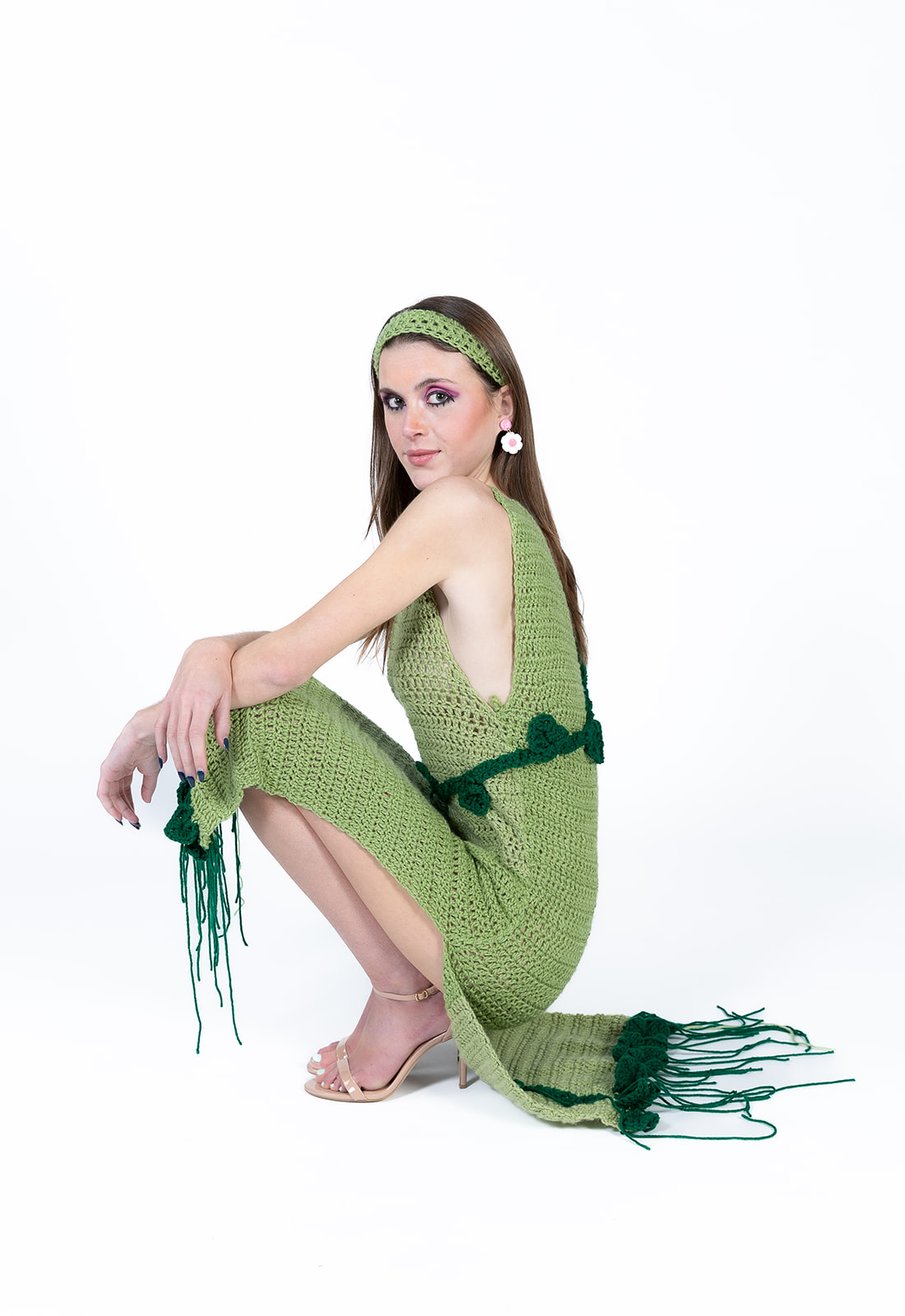
I want this collection to express my deep love for music and nature, specifically the music of the 70s. I'm combining my passions into a collection that has only been existing in my mind. I want this collection to have a sense of whimsy and playfulness. I want this collection to portray thriving in nature
along with being one with it.
Look 1 - Woodstock
Look 2 - Ventura Highway
Look 3 - Summer Breeze
Look 4 - Penny Lane
Look 5 - Landslide
Look 6 - Dancing in the Moonlight
Fairies Wear Boots
Krysta Peters


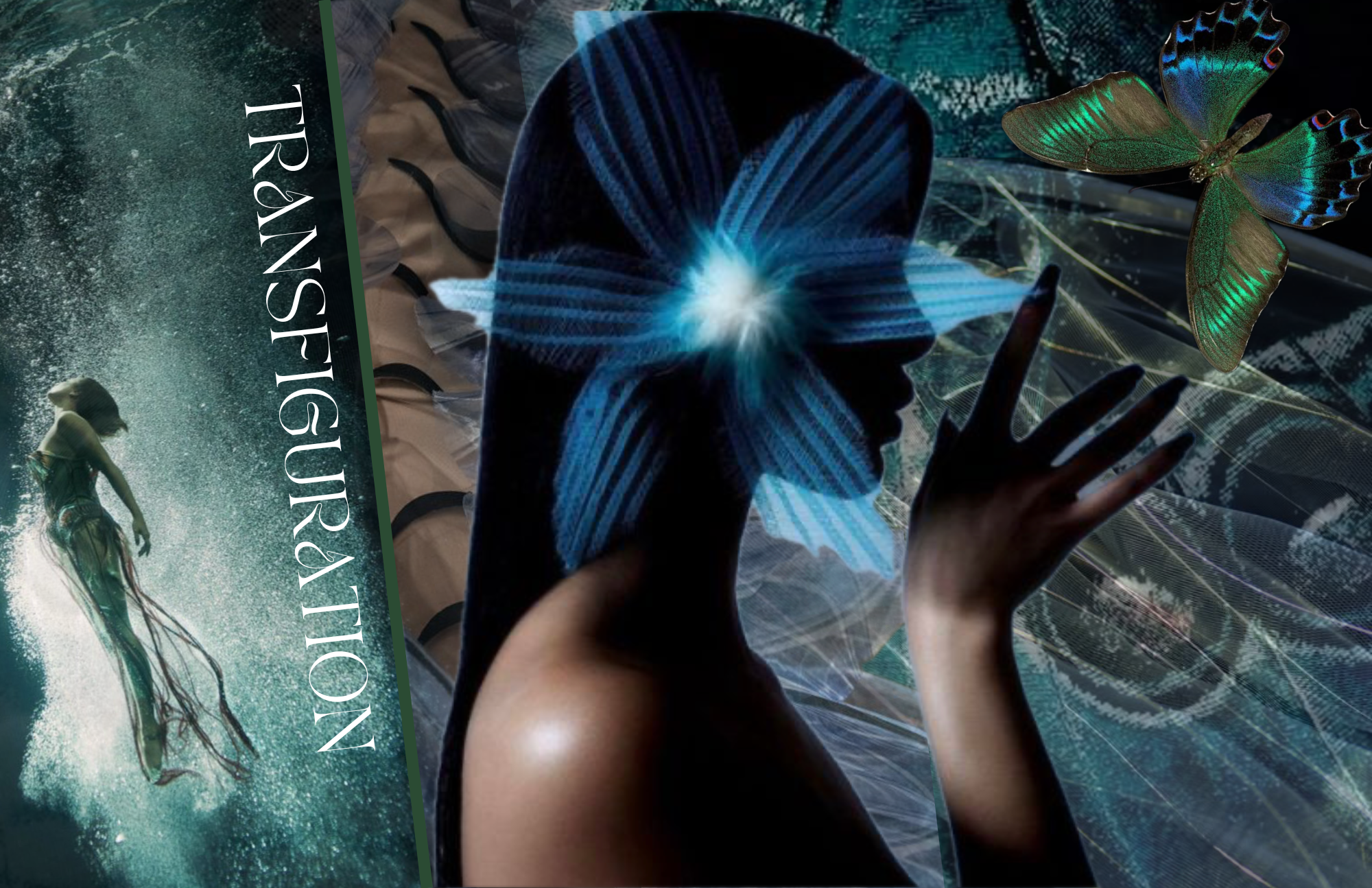
Transfiguration

Lonnette Wiley
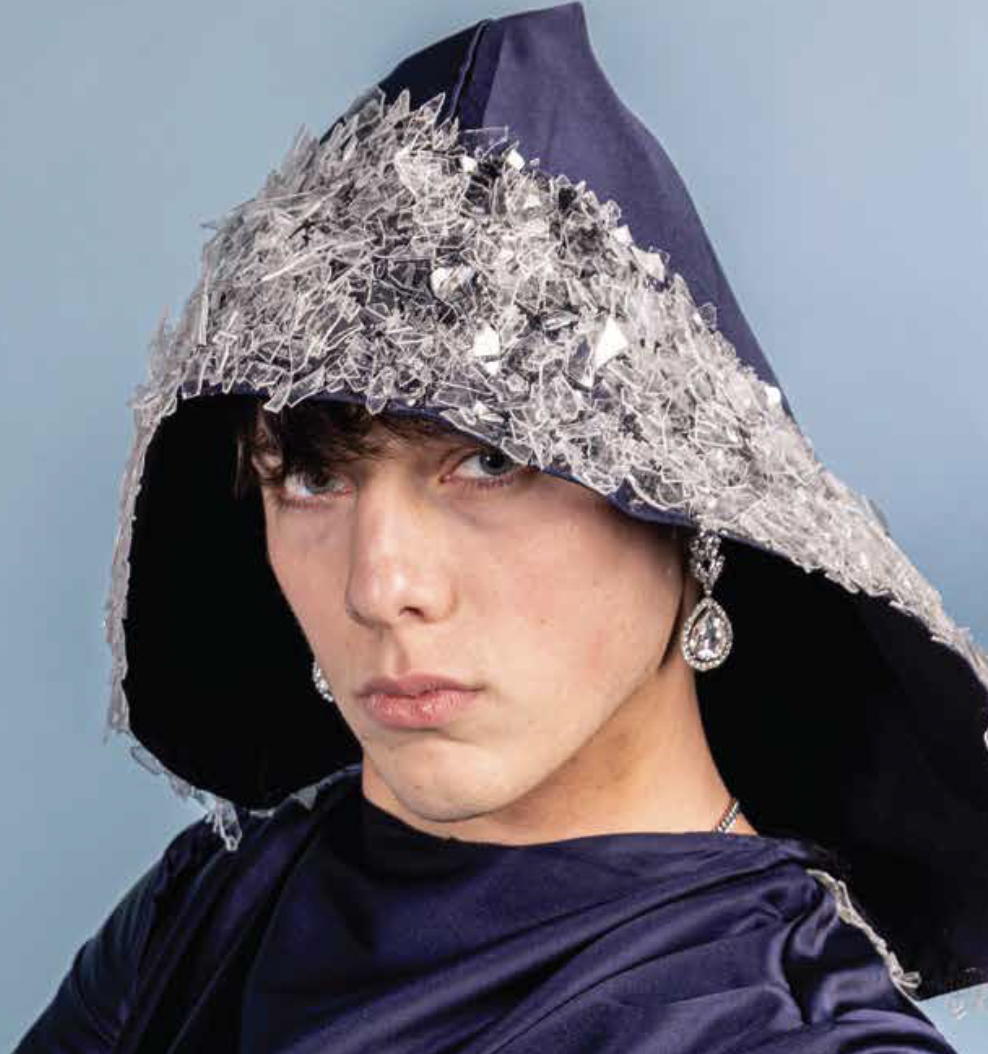
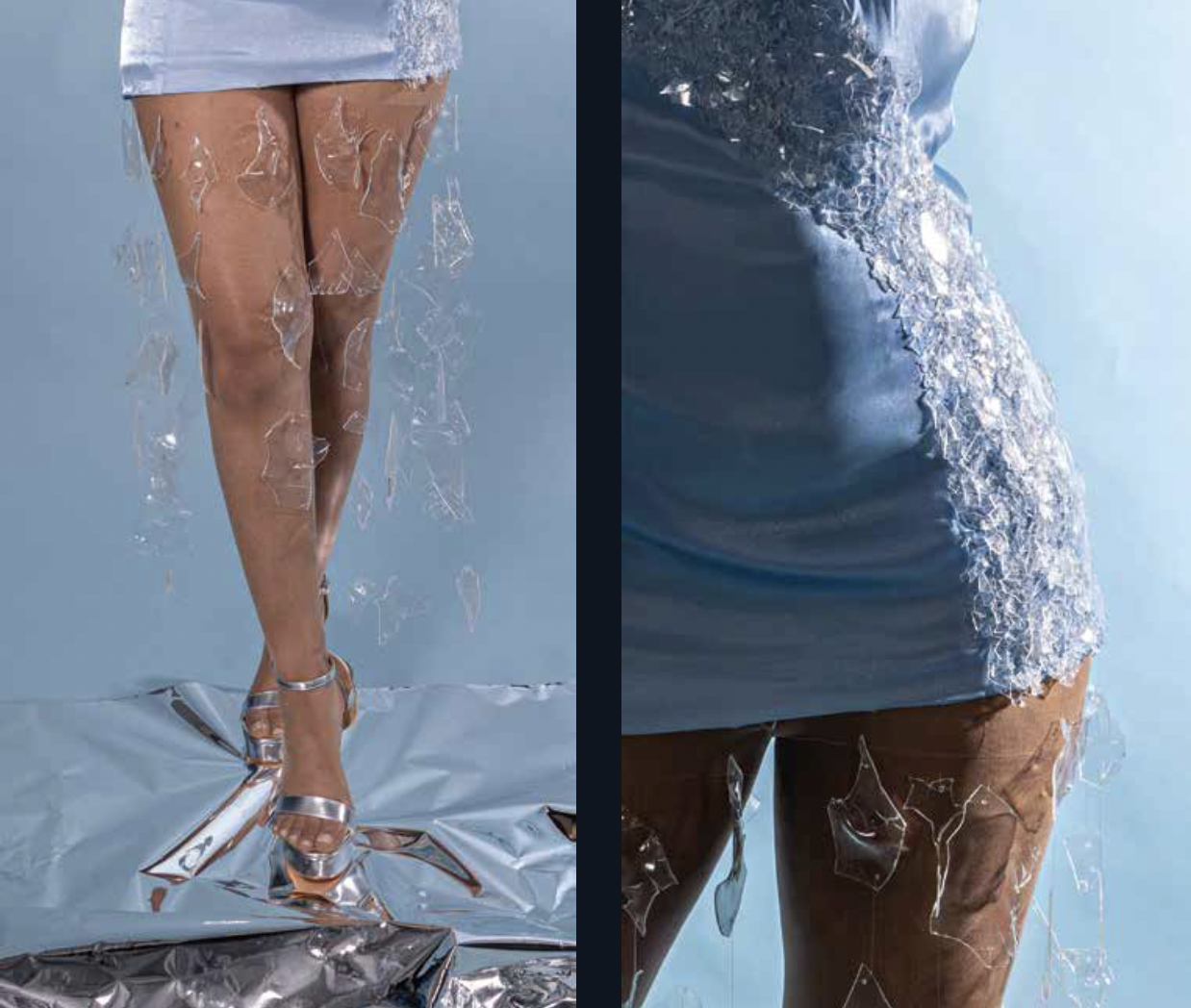
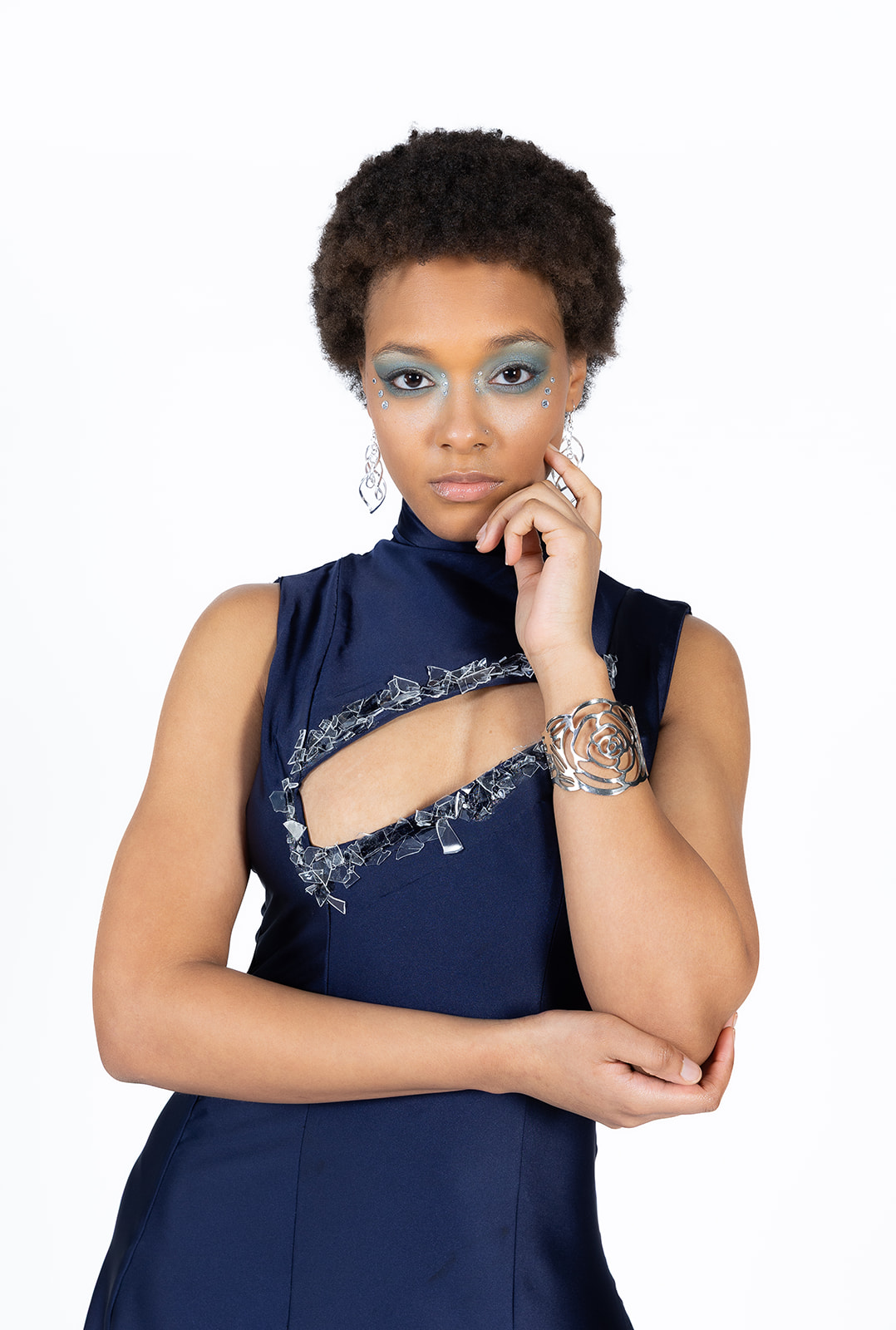
Transfiguration is a collection that draws from the phenomena of near-death experiences, where one drifts between life and death and is given the choice to stay or return. It follows an unknown figure, moving through grief, detachment and a longing for stillnes - coming face-to-face with the peace they've longed for, and yet choosing to return to life.


Look 1 - In Pieces
Look 2 - Angel
Look 3 - Spirit
Look 4 - Deep Water
Look 5 - The High Priest
Look 6 - To Be Wounded
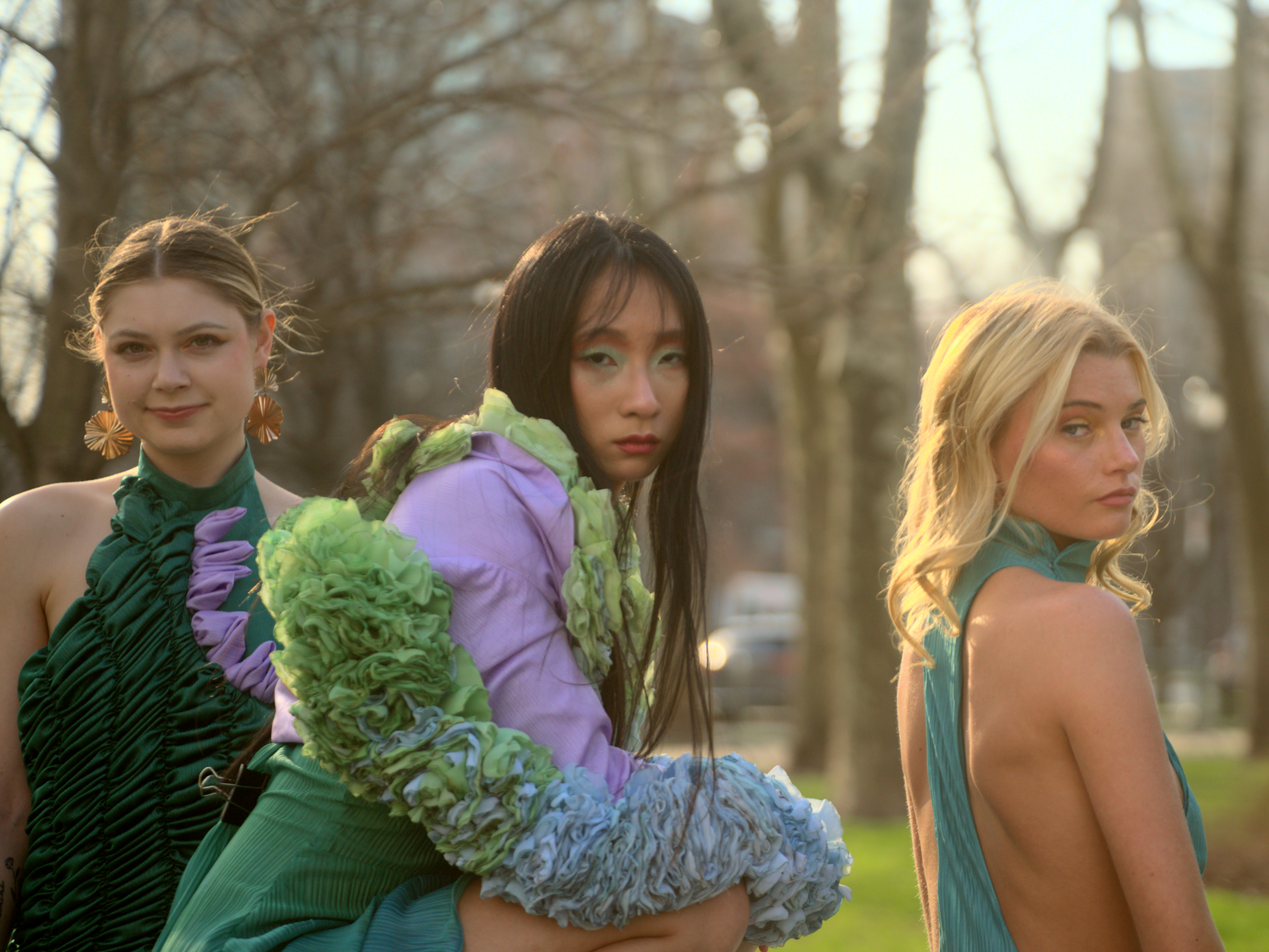
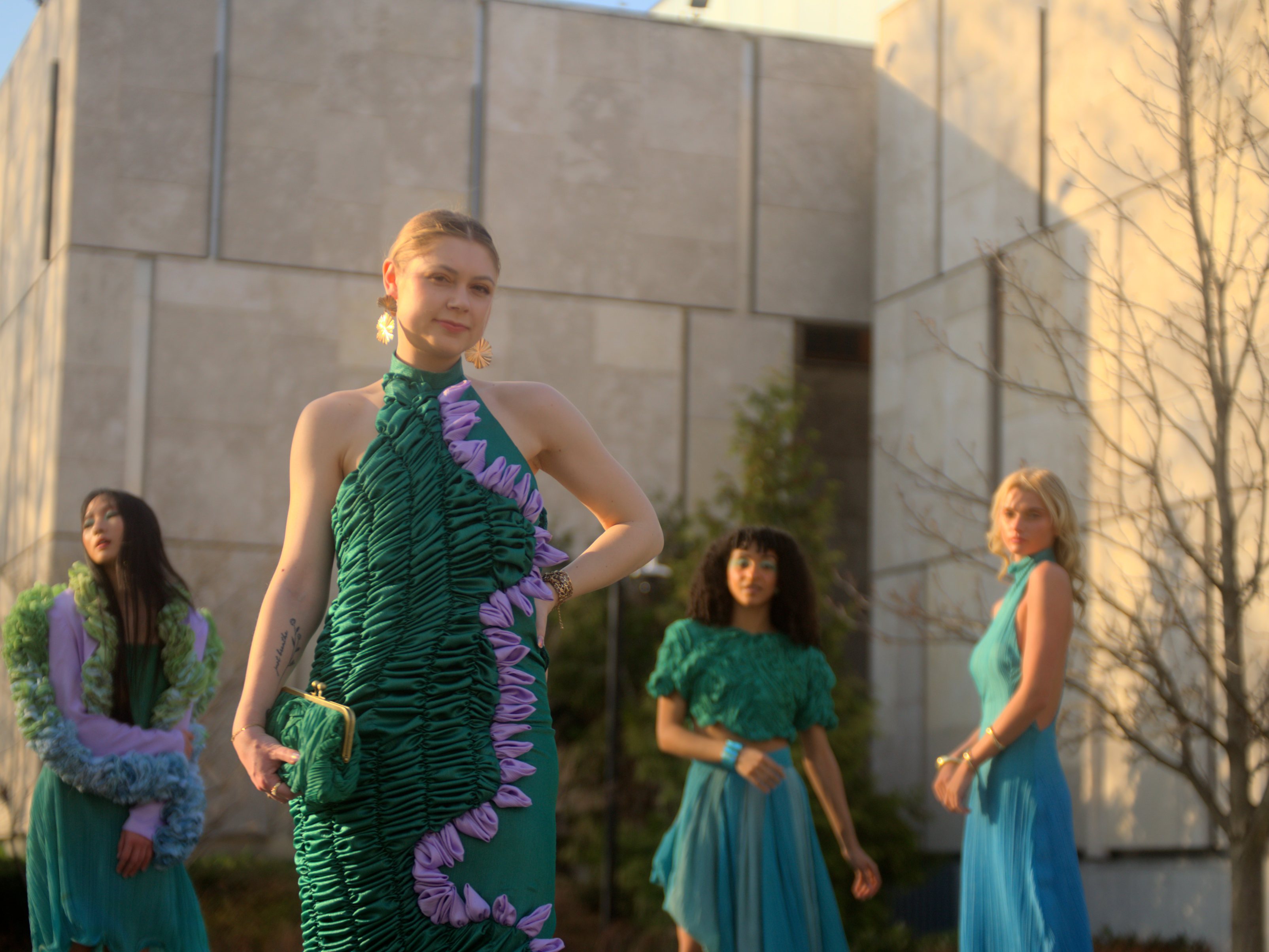
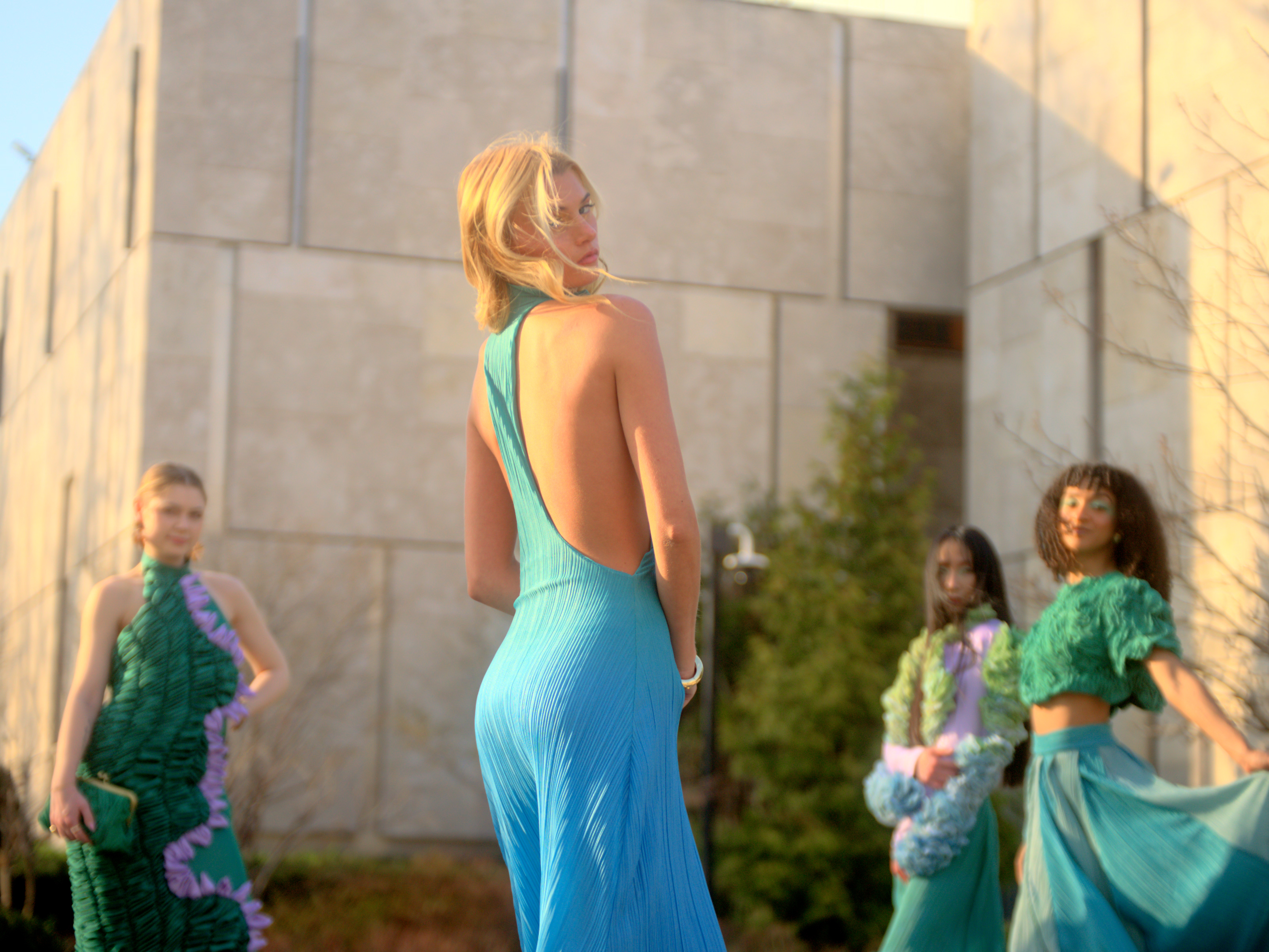
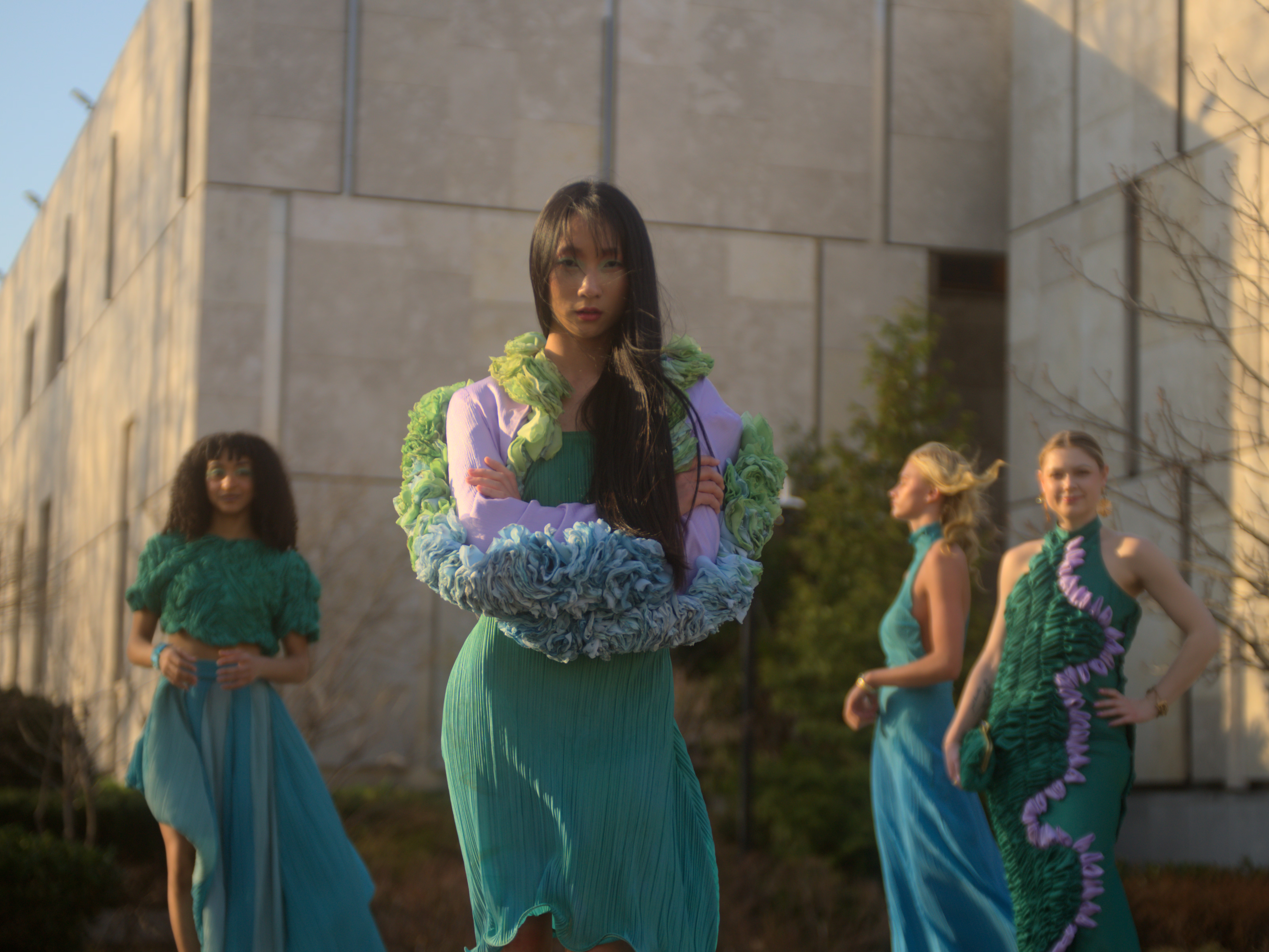
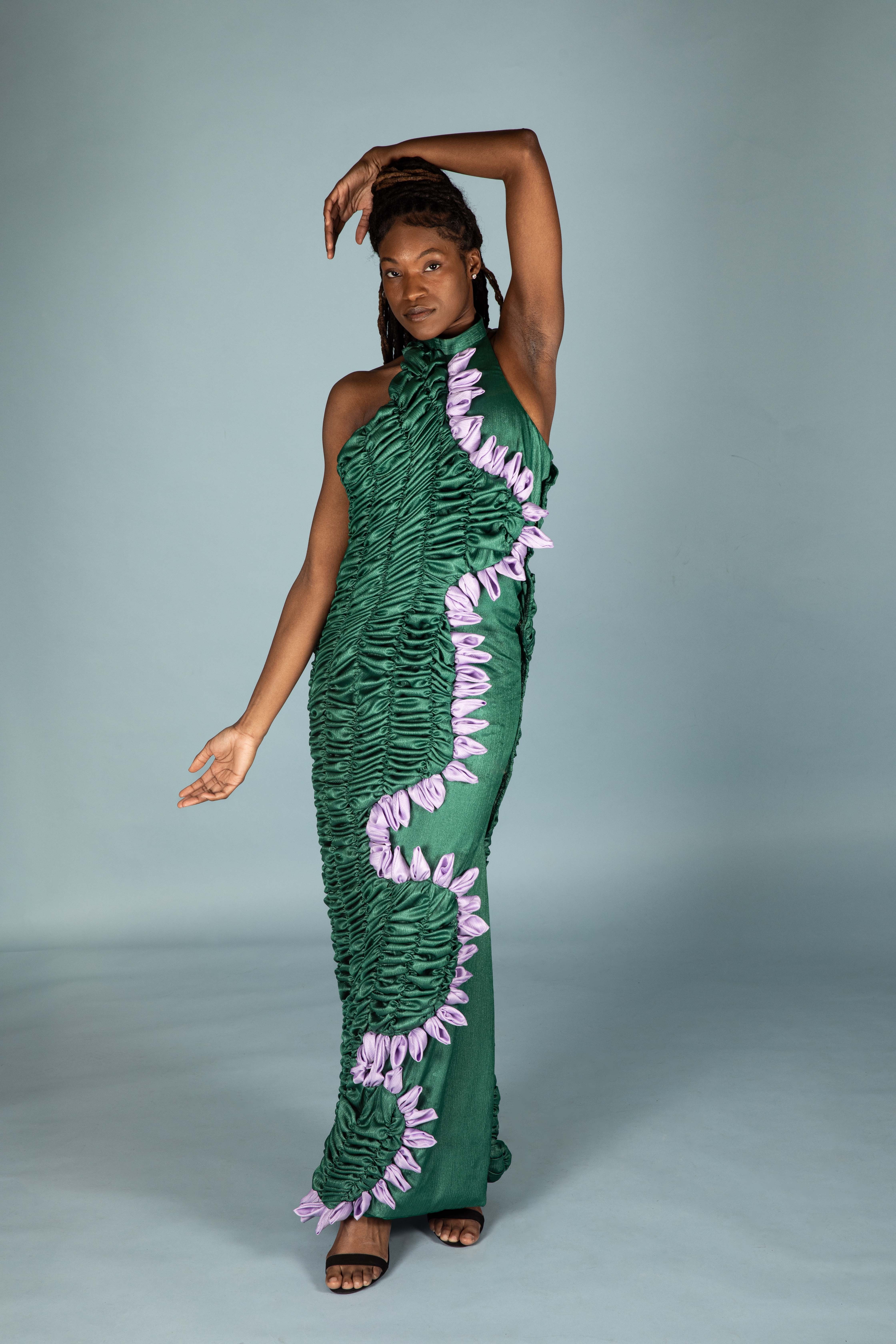
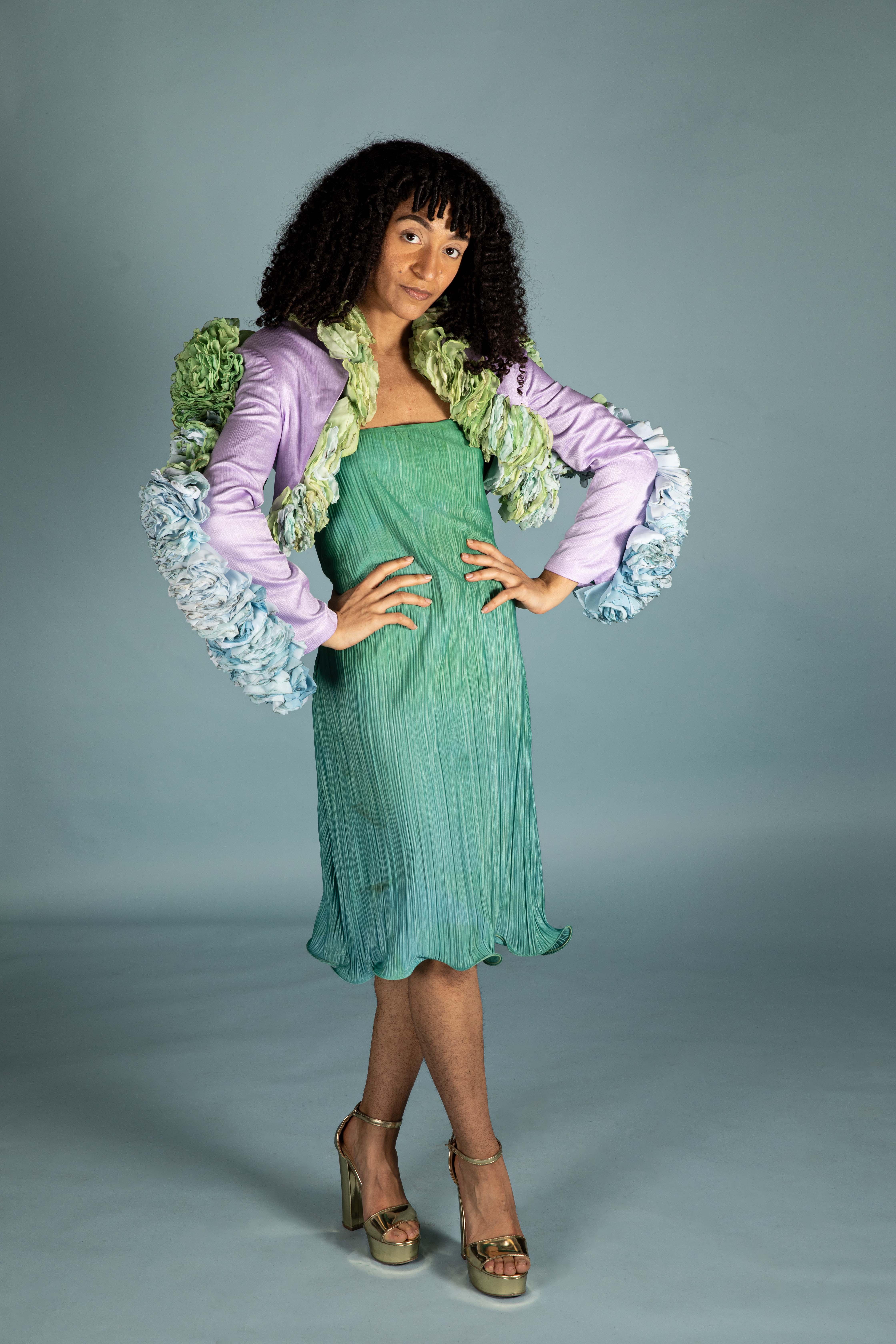
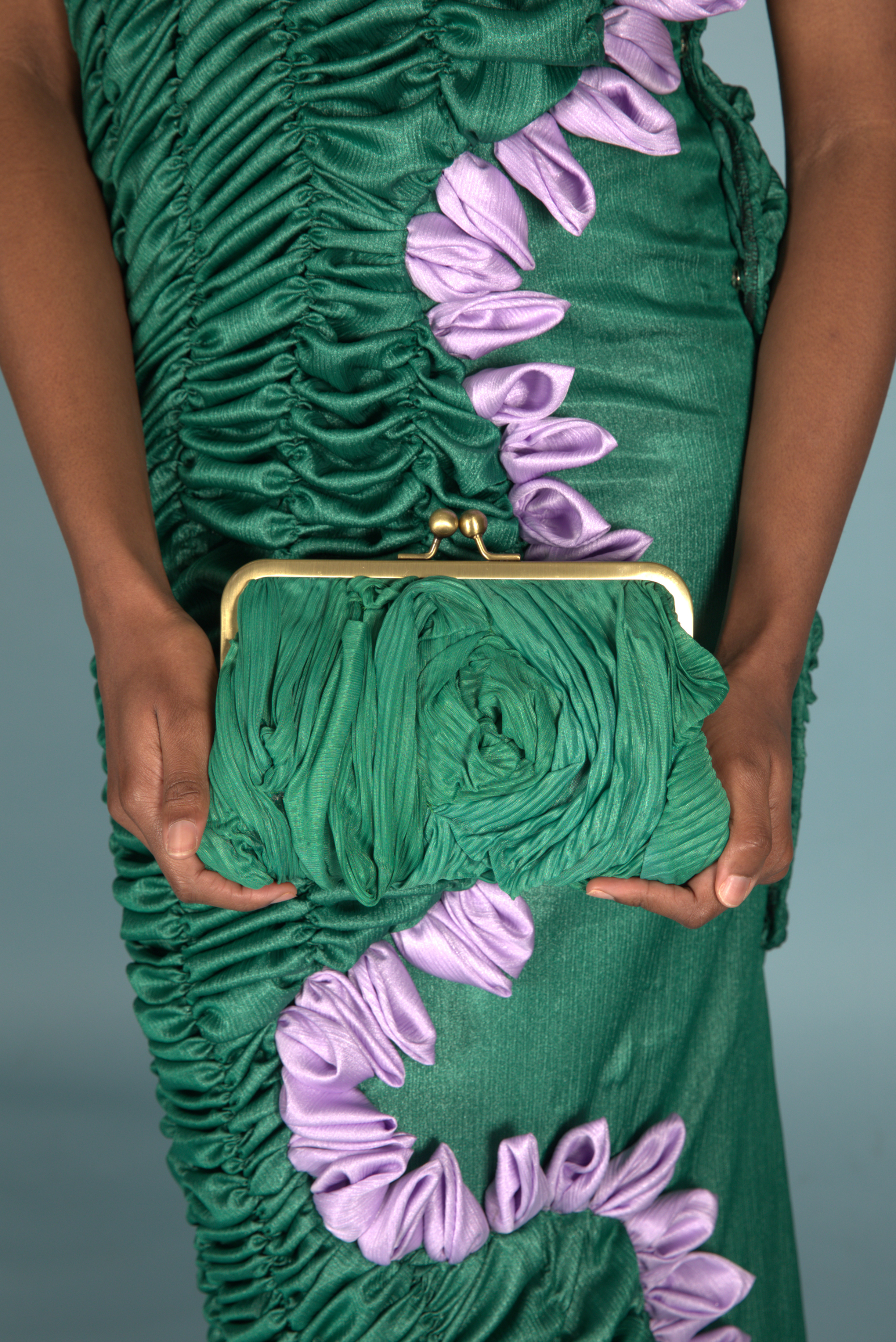
Overgrowth
Willow Gehman

Overgrowth:
Depicting the degradation of the Magdalena River in Colombia, Overgrowth plays through a series of takeover by a series of invasive species: hippos, water hyacinths, algae blooms, and cyanotoxins.
Look 1: Algae Top and Rapids Skirt Hand dyed and manually pleated, the top and skirt have no wasted fabric, as the off-cuts from the skirt were dyed and pleated to become the Algae top. Look 2: Hyacinth Halter and Confluence Pant The purple petal motif seen throughout the collection represents the Water Hyacinth, an invasive river plant providing sustenance to the hippos. Look 3: Respiration Dress This ombre-dyed gown features fishing line in the hem to enhance the organic, flowing shape of the dress. Look 4: Chlorella Jacket and Riverbank Dress Decorated with two thousand hand-dyed chiffon circles, the algae plumes from the inside out, engaging the wearer in the bacterial bloom. Look 5: Cyanotoxin Dress Hand-dyed and hand-pleated, this gown’s blue-green gradient represents the shifting hues of cyanobacteria, as a result of the hippo’s invasion of the river. Look 6: Magdalena Dress The line down the center of the dress depicts the silhouette of the river across Colombia as water hyacinths grow across its surface. Accessories: Pepe purse and Hypoxia Clutch The microsuede hippo, Pepe, is a stand-in for the 200+ hippopotamuses that now plague the river, thanks to the original four hippos that were brought over by Pablo Escobar for his Hacienda Nápoles. The purse gets its name from Pepe the hippo, who, in 2009, was killed by hunters under authorization of the Colombian Government. Pepe was considered a threat to the fishermen and farmers, but a photo of the dead hippo and the hunter


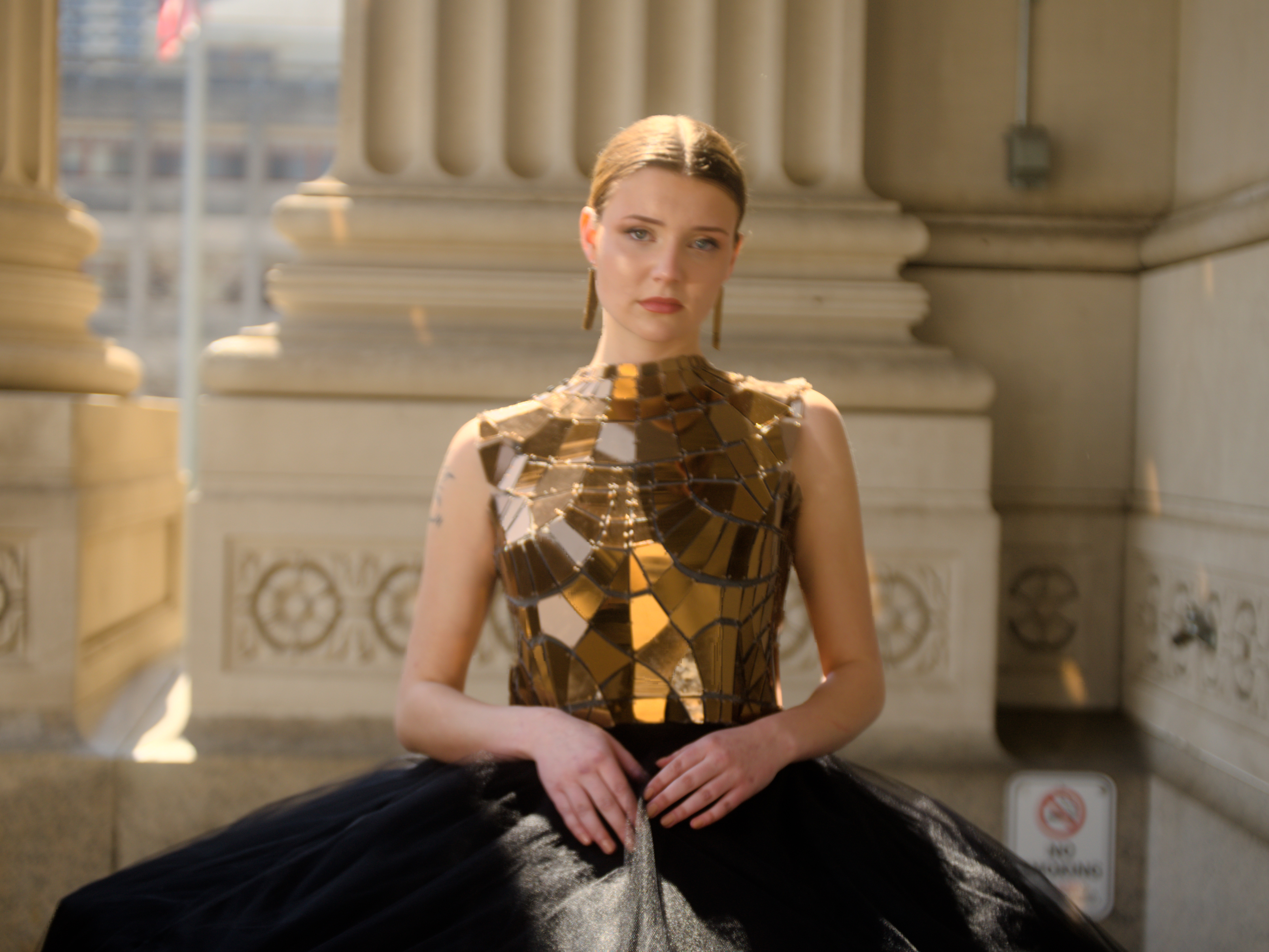
Lissa Fee Amal
Ensaam Farraj

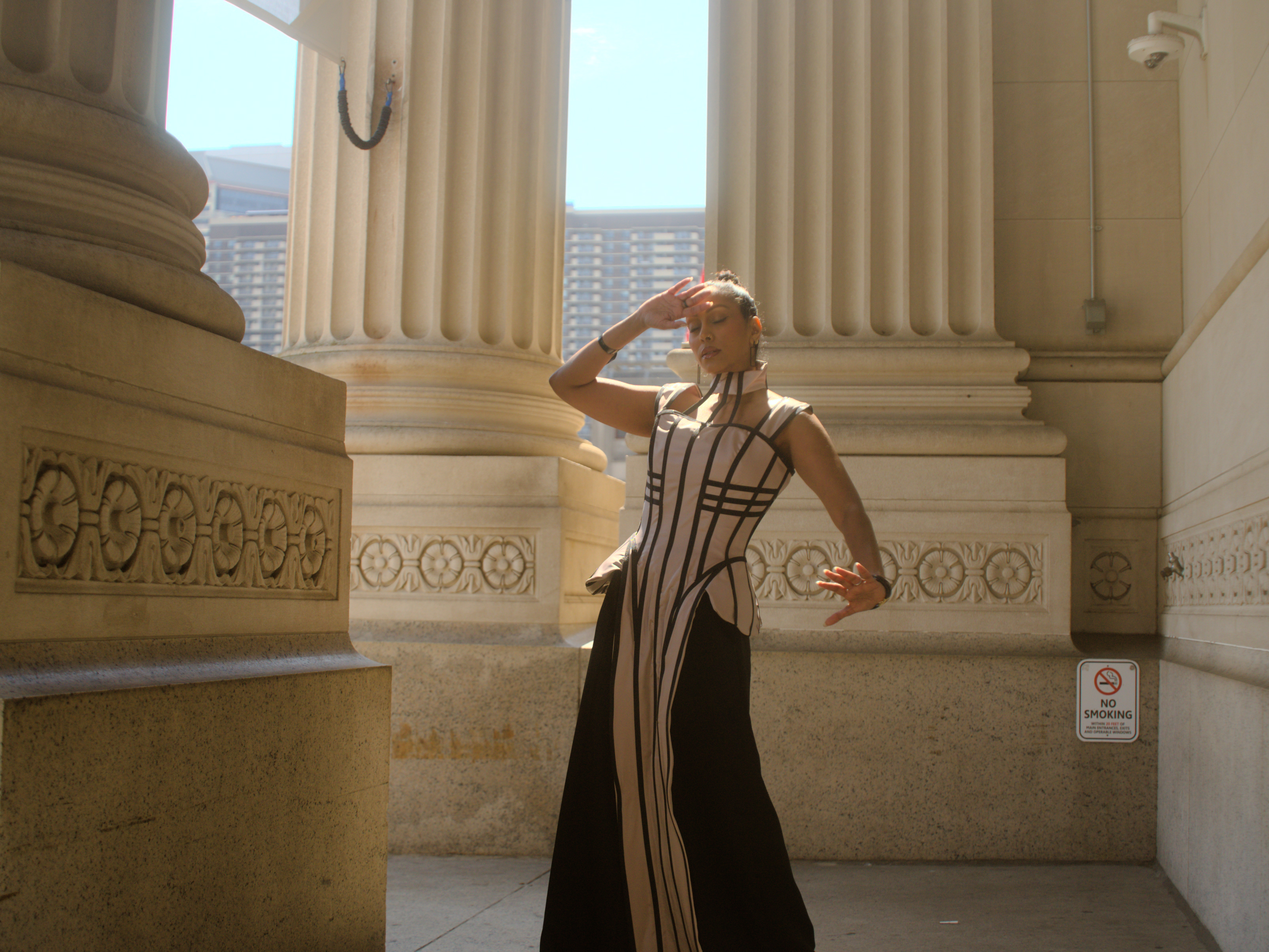
(Lissa Fee Amal) is an Arabic phrase that translates to “There is still hope.” It speaks to resilience, endurance, and the unshakeable belief in a brighter future- A sentiment deeply woven into the cultural and historical fabric of Palestine. This collection is a tribute to the unwavering pride of the Palestinian people in their heritage, identity, and homeland. It is inspired by my grandmother, a woman whose grace, strength and quiet defiance became a living embodiment of hope. Through her stories I inherited a profound sense of belonging and resilience that defines this collection. This Fall/ Winter 2027 collection represents the resilience of the Palestinian people and the intergenerational memory of displacement and perseverance. The narrative begins with the Nakba of 1948—families carrying keys to homes they could never return to—and continues through the ongoing weight of genocide, loss, and survival. These stories are symbolized through visual elements such as the keffiyeh pattern, bullet-hole motifs, smoke, rubble textures, and red Palestinian poppies as a sign of hope and renewal. This collection is positioned within the luxury couture eveningwear market. It caters to women who seek powerful, meaningful garments that merge artistry, cultural narrative, and refined craftsmanship. The target customer is confident, global-minded, and socially aware—she chooses clothing that speaks not just to beauty but to story and identity..
Look 1 - “Hind’s Echo” : Hind Rajab was a 6 year old Palestinian girl trapped in a car in Gaza after her family was killed. She stayed on the phone with emergency responders for hours, asking for help. When the car was later found, it had 355 bullet holes in it. Hind and the Paramedics sent to rescue her were killed. Look 2 - “Lines of Survival”: This look is a visual embodiment of restriction, deprivation, and the painful reality of being denied basic survival. The structured, flesh-toned bodice represents the human body: vulnerable, exposed, and fragile while the stark black boning overlays it like imposed barriers, symbolizing blocked aid routes, closed borders, and the systems that prevent life-saving resources from reaching those in need. The vertical lines feel constricting, almost cage-like, echoing the feeling of being trapped in a state where survival is controlled and limited. Look 3 - “Beneath The Ash”: This look is inspired by the visual and emotional language of destruction and smoke rising into the sky, buildings reduced to rubble, and the overwhelming stillness that follows chaos. Look 4 - “What We Carry”: This look is a reflection of displacement, memory, and the quiet strength of survival. Inspired by the Nakba of 1948, it captures the emotional and physical weight of being forced to leave your home, carrying only what you can, while leaving behind everything you’ve ever known. Look 5 - “City’s Crown”: This look marks a turning point in the collection. Where grief begins to transform into hope. Inspired by the Sakhra of Masjid Al-Aqsa, the bodice is constructed from reflective, mosaic-like elements that echo the sacred geometry and golden radiance of the Dome of the Rock. Each fragmented piece comes together to form a unified surface, symbolizing how, even through destruction and displacement, identity and faith remain intact. The reflective quality captures light from every angle, representing resilience and the enduring presence of hope. Look 6 - “Hope”: This look embodies the heart of the collection. A vision of liberation, identity, and enduring hope for a free Palestine. The ivory gown serves as a symbol of purity, and the future. The bodice, shaped in the outline of the homeland, transforms the body into a living map. Embroidered with the keffiyeh pattern, it carries deep cultural meaning. The keffiyeh is a symbol of resistance and unity. Here, it is elevated into couture, honoring heritage while asserting its strength. “Still”: For the final look we have a black cape, representing the weight of history, mourning, and all that has been endured. Yet, hidden within its interior is a field of hand-crafted red poppies, the flower of Palestine. These poppies symbolize remembrance, sacrifice, and, most importantly, renewal. As the final look, it does not just conclude the story—it resolves it. It stands as a declaration that identity cannot be erased, that hope persists, and that one day, what is carried within will fully bloom into freedom.


USE THIS GUIDE DURING THE SHOW TO FOLLOW EACH COLLECTION IN REAL TIME •